Lattering: A Premium Script Font for Digital Brands
I was staring at a blank hero section on my latest client project, a boutique online store for handcrafted jewelry, when I realized the standard sans-serif headers just weren't cutting it. The brand needed warmth, elegance, and a touch of human connection that rigid geometric fonts simply couldn't provide. That is when I pulled up Lattering, a Script Handwritten typeface that immediately shifted the mood of the entire layout. As a web designer who constantly tests new Fonts to elevate user experiences, finding a typeface that balances formal precision with handwritten fluidity is rare, but Lattering delivered exactly that in the first preview.
Testing Lattering for High-Impact Hero Sections
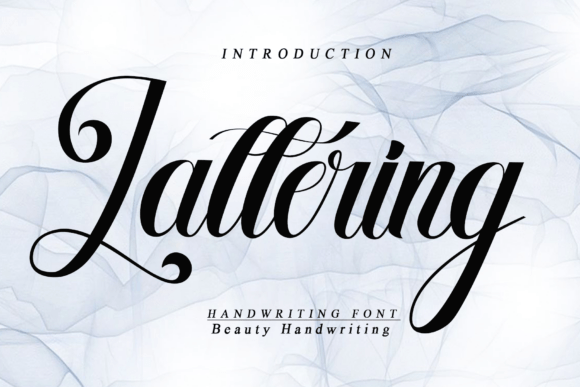
The moment I applied Lattering to the main headline, the digital canvas transformed. This Script Handwritten style is not just another decorative font; it is an expressive script font defined by its sweeping ascenders, polished contrast, and high-impact terminal strokes. In the context of a landing page hero, these characteristics create an immediate visual hierarchy that guides the user's eye without shouting. When testing the responsiveness of this Fonts family on mobile devices, I noticed how the polished contrast maintained clarity even at smaller viewport widths, ensuring the message remained legible while retaining its elegant personality.
For a digital product creator, the ability to command attention in a split second is crucial. Using Lattering for a hero title creates a sense of luxury and exclusivity that generic web fonts often fail to achieve. The high-impact terminal strokes act as subtle anchors, keeping the text grounded even against complex background images. I found that placing Lattering over a soft, muted image banner allowed the sweeping ascenders to pop, creating a sophisticated focal point that encouraged visitors to scroll down and explore the collection further.
Using Lattering for Elegant Branding and Logo Design
When building a cohesive brand identity, the choice of Lattering can serve as the cornerstone of your visual language. Because each character in this Script Handwritten set carries a unique rhythm, it works exceptionally well for logo design and primary branding elements. Unlike static display fonts, Lattering brings a dynamic energy that feels personal yet professional. For a coaching website or a creative portfolio homepage, using this Fonts option in the logo area instantly communicates trust and creativity.
The balance of formal precision and handwritten fluidity makes Lattering versatile enough for various niches. Whether you are designing a digital brand kit for a wedding planner or a course sales page for a life coach, the font adapts to the tone without losing its distinct character. I tested Lattering as the primary logo mark for a mockup campaign, and the result was a mark that felt both timeless and modern. The expressive nature of the script ensures that the brand name doesn't just sit on the screen; it moves, inviting the viewer to engage with the story behind the business.
Optimizing Readability with Lattering on Mobile Layouts
One of the biggest challenges with Lattering in a web environment is ensuring readability across different screen sizes. As an expressive script font defined by its sweeping ascenders, polished contrast, and high-impact terminal strokes, it requires careful sizing and spacing to perform well on mobile. During my UX testing, I discovered that while Lattering is stunning for headlines, it should be reserved for short phrases rather than long paragraphs. This Script Handwritten approach respects the scanning behavior of mobile users, allowing them to grasp the core message quickly before moving to body copy.
To maximize usability, I paired Lattering with a clean, simple sans serif font for all body text and navigation menus. This combination leverages the strengths of both typefaces: the emotional impact of the script and the functional clarity of the sans serif. When checking dark mode layouts, the polished contrast of Lattering ensured that the white text remained crisp against black backgrounds, preventing the delicate strokes from disappearing into the void. For any web designer looking to implement this Fonts family, remember that generous line height and adequate padding are essential to let the characters breathe.
Pairing Lattering with Modern Typography for Web Design
Successful typography relies heavily on harmony, and Lattering offers a perfect opportunity to experiment with contrasting styles. Because it is an expressive script font defined by its sweeping ascenders, polished contrast, and high-impact terminal strokes, it pairs beautifully with minimalist geometric sans serifs or classic editorial serifs. This Script Handwritten style acts as the "voice" of the design, while the supporting typeface handles the "information." For a product landing page selling artisanal goods, I combined Lattering with a bold, uppercase sans serif for subheadings, creating a look that felt both high-end and accessible.
When selecting a companion font for this Fonts family, consider the overall mood of your digital product. If you are building a blog redesign focused on lifestyle content, a warm serif might complement the handwritten fluidity of Lattering. However, for a SaaS founder or tech startup aiming for a more playful yet professional vibe, a neutral sans serif provides the necessary structure. The key is to ensure that the weight and x-height of the secondary font do not compete with the dramatic presence of Lattering, allowing the script to remain the star of the show.
Implementing Lattering in Call-to-Action Areas
While Lattering is primarily a display font, its expressive nature can significantly boost engagement in call-to-action (CTA) areas if used strategically. Instead of applying this Script Handwritten style to every button, I used it for specific, high-value prompts like "Join the Waitlist" or "View Collection." The high-impact terminal strokes draw the eye naturally, making the CTA feel like a personalized invitation rather than a generic command. This approach works particularly well for course sales pages or exclusive membership sites where the goal is to build a relationship with the audience.
However, caution is required when using Lattering for interactive elements. Since it is an expressive script font defined by its sweeping ascenders, polished contrast, and high-impact terminal strokes, the clickable area must be large enough to accommodate the full extent of the letters. On touch screens, small script buttons can lead to frustration if the hit target is too narrow. By wrapping the text in a slightly larger container or adding invisible padding around the CTA, you maintain the aesthetic beauty of this Fonts family while ensuring a smooth user experience.
Checking Licensing and Formats for Commercial Projects
Before integrating Lattering into any live website or client project, it is vital to review the licensing terms and available file formats. As a premium asset within the category of Script Handwritten Fonts, understanding the scope of your commercial license protects both you and your clients. Whether you are deploying this typeface for a single landing page or a comprehensive e-commerce platform, ensure that the license covers webfont usage, including variable weights and multilingual support if needed.
Modern web development demands optimized assets, so checking for WOFF2 support is essential for fast-loading visual content. The polished contrast and detailed strokes of Lattering require efficient compression to prevent bloated page loads. When I prepared the final assets for the jewelry store project, I verified that the included styles covered all necessary use cases, from desktop headers to mobile banners. Investing time in verifying these technical details ensures that the beautiful, expressive script font defined by its sweeping ascenders, polished contrast, and high-impact terminal strokes performs flawlessly across the entire web ecosystem.